MULTICARE NEWS
Blogs
How to Move Heavy Furniture Safely

Moving heavy furniture is one of the most challenging parts of relocating to a new home or office. Items such as sofas, wardrobes, beds, dining tables, cabinets, and office desks can be difficult to lift, maneuver through narrow doorways, and transport without causing damage. Without proper preparation, moving these items can result in personal injuries, scratched floors, damaged walls, or broken furniture.
Knowing how to move heavy furniture safely can help you avoid common moving problems and make your relocation more organized. With the right equipment, careful planning, and professional assistance, even bulky furniture can be moved more efficiently.
Multi Care Movers is a reliable, experienced, and customer-focused moving company providing professional relocation services for households and businesses across Kenya. Its services include professional packing, residential moving, commercial moving, and local relocation, helping customers handle challenging moves with greater convenience and peace of mind.
1. Plan Before Moving Heavy Furniture
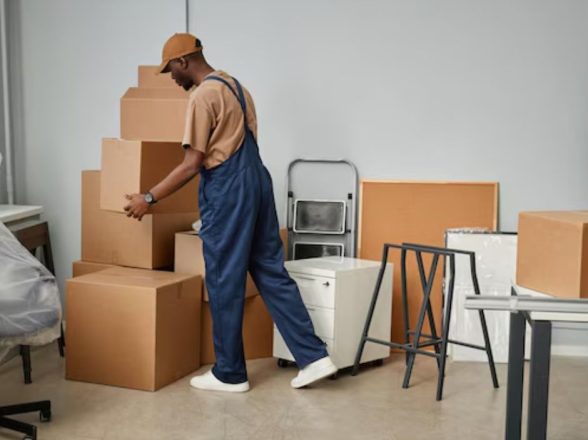
Preparation is the first step toward moving heavy furniture safely. Before lifting anything, assess the furniture, the route it will take, and the conditions at both properties.
Identify heavy or bulky items that may require additional assistance. Measure large furniture pieces and check whether they can pass through doorways, corridors, staircases, and elevators.
You should also inspect the route for obstacles such as loose rugs, cables, boxes, and other items that could cause someone to trip.
Create a clear path between the furniture and the exit. If you are moving into a new home, check the access route there as well.
A little preparation can prevent unnecessary lifting, awkward movements, and delays on moving day.
2. Gather the Right Moving Equipment
The right equipment can make moving heavy furniture easier and safer. Depending on the furniture and the property, useful supplies may include:
- Furniture blankets or protective covers
- Strong moving straps designed for appropriate loads
- A suitable furniture dolly or hand truck
- Protective gloves that provide a secure grip
- Packing tape and suitable wrapping materials
- Floor protection for vulnerable surfaces
Equipment should be appropriate for the weight and shape of the furniture. Check the load rating and condition of dollies and straps before using them.
Never improvise with unstable equipment or use a trolley that cannot safely support the item. When furniture is exceptionally heavy, awkward, or valuable, professional movers with suitable equipment are often the safer choice.
3. Empty Furniture Before Lifting
One simple way to make furniture easier to move is to remove its contents before lifting.
Empty wardrobes, cabinets, drawers, desks, and bookshelves wherever possible. Remove loose objects, books, clothing, and other items that could shift during transportation.
If the furniture has detachable shelves, legs, cushions, or other removable components, take them off when appropriate and safe to do so.
Keep screws, bolts, and small fittings in a labeled bag so they can be located easily when reassembling the furniture.
Reducing the weight and securing loose components makes furniture easier to handle and lowers the risk of items falling during the move.
4. Use Proper Lifting Techniques
Incorrect lifting is a common cause of moving-related injuries. Heavy furniture should never be lifted carelessly or by someone who cannot manage its weight safely.
If an item is manageable and you are physically able to lift it, follow these basic precautions:
- Assess the weight before attempting to lift.
- Keep your feet stable and positioned for balance.
- Bend at your hips and knees rather than rounding your back.
- Hold the item securely and keep it close to your body.
- Lift smoothly without jerking or twisting.
- Turn by moving your feet rather than twisting your torso.
- Communicate clearly with anyone helping you.
Do not attempt to lift an item that is too heavy, unstable, or difficult to grip. Stop if you experience pain, dizziness, or loss of balance.
For large wardrobes, heavy sofas, solid-wood furniture, and bulky appliances, professional assistance may be necessary. Safe moving means knowing when not to lift something yourself.
5. Protect Furniture From Scratches and Damage
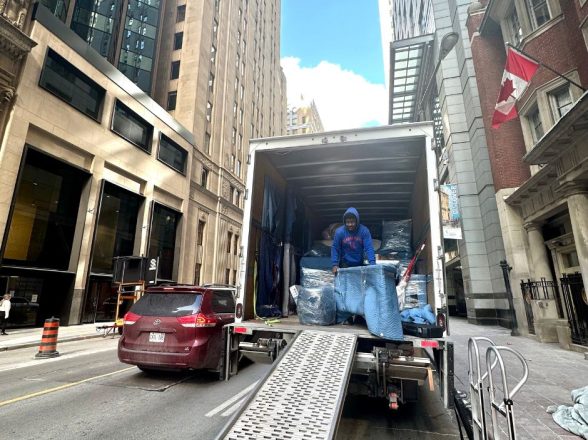
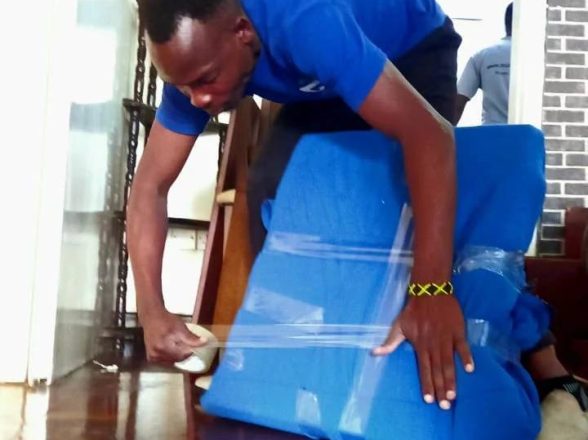
Heavy furniture can be damaged during lifting, carrying, loading, and unloading. Protective wrapping helps reduce the risk of scratches, dents, and surface damage.
Use suitable furniture blankets, padding, or protective covers for vulnerable surfaces. Secure the protective materials so they do not slip while the item is being carried.
For wooden furniture, take extra care with corners, polished surfaces, and decorative details. Glass components should be handled according to their design and manufacturer guidance, with appropriate protection.
Do not place tape directly on delicate finishes if it could leave residue or damage the surface.
Multi Care Movers offers professional packing services to help customers prepare furniture and other belongings for transportation. Proper preparation can make the moving process more organized and help protect items during handling.
6. Measure Doorways, Corridors, and Staircases
One of the biggest challenges when moving heavy furniture is getting it through tight spaces.
Before moving a large item, measure its height, width, and depth. Compare these measurements with doorways, corridors, staircases, and elevator dimensions along the route.
Remember to account for door handles, railings, corners, and limited turning space.
Sometimes furniture needs to be tilted or rotated to pass through an opening. However, do not force an item through a tight space if doing so could cause injury or damage.
If the furniture cannot fit safely, consider whether a removable component can be detached or whether professional movers should assess the situation.
Planning the route in advance can prevent unnecessary lifting and awkward maneuvering.
7. Use a Furniture Dolly When Appropriate
A suitable furniture dolly can reduce the effort required to move certain heavy items across smooth, level surfaces.
Before using one, check that the dolly is rated for the furniture’s weight and that the item can be positioned securely. The load should remain balanced throughout the movement.
Avoid using a dolly on stairs or uneven surfaces unless the equipment is specifically designed for that purpose and the operator is trained to use it.
Do not stand beneath a load or place your hands and feet where they could be trapped if the furniture shifts.
For furniture that is too large or unstable for a standard dolly, professional movers can determine an appropriate handling method.
8. Secure Furniture During Transportation
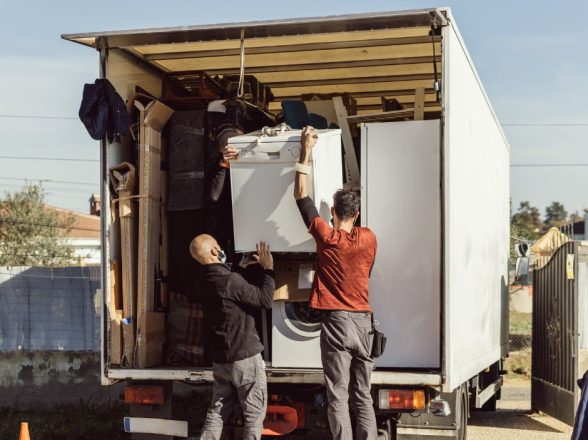
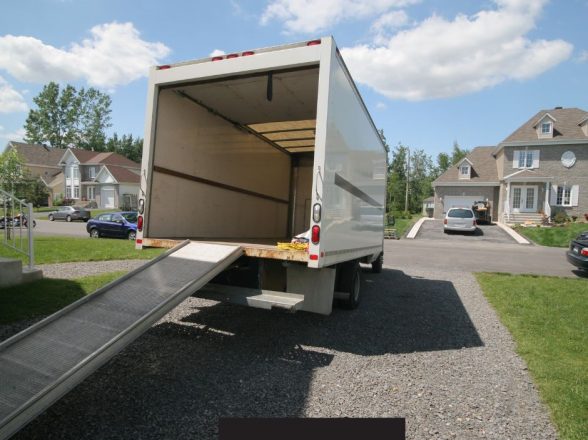
Moving heavy furniture safely does not end when the item is loaded into a vehicle. Furniture must also be positioned and secured appropriately during transportation.
Items should be arranged to reduce movement, tipping, and contact with other belongings. Suitable restraints and protective materials can help prevent furniture from sliding when the vehicle turns or brakes.
Avoid stacking heavy furniture on top of fragile possessions or placing weight on parts that cannot support it.
Drawers, doors, and detachable components should be secured where necessary. Furniture should be loaded and unloaded carefully to prevent sudden shifts.
Professional movers understand the importance of organized loading and securing belongings for transport.
9. Know When to Hire Professional Furniture Movers
Although small furniture items may be manageable with assistance, large or unusually heavy pieces can present significant risks.
Consider hiring professional movers when you need to relocate:
- Large wardrobes and cabinets
- Heavy beds and solid-wood furniture
- Bulky sofas and sectional seating
- Large dining tables
- Office desks and storage units
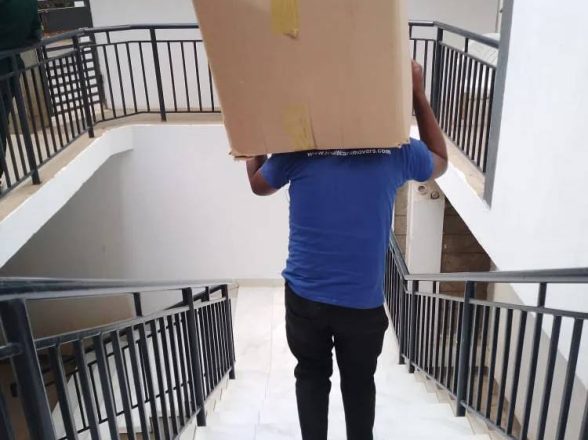
- Furniture that must be moved up or down stairs
- Valuable or delicate furniture requiring special care
Professional movers can assess the item, plan the route, and use appropriate equipment and handling methods.
Multi Care Movers provides residential moving services for individuals and families relocating their household belongings. Whether you are moving from an apartment, house, or another residential property, professional support can reduce the physical workload involved.
10. Heavy Furniture Moving for Offices and Businesses
Offices and commercial premises often contain bulky furniture that requires careful handling. Desks, conference tables, filing cabinets, shelves, and reception furniture can be difficult to move without proper planning.
A commercial move should account for furniture dimensions, access routes, equipment protection, and the order in which items need to be moved.
Multi Care Movers provides commercial moving services to help businesses organize office relocations and transport workplace belongings.
For businesses moving within Nairobi or elsewhere in Kenya, planning ahead can help reduce disruption and make the transition more efficient.
Why Choose Multi Care Movers?
Moving heavy furniture requires preparation, care, and the right approach. Multi Care Movers offers customer-focused relocation services designed to make moving easier for households and businesses.
The company’s main services include:
- Professional packing: Assistance with preparing furniture and other belongings for transportation.
- Residential moving: Support for families and individuals moving household furniture and possessions.
- Commercial moving: Relocation assistance for office furniture, equipment, and workplace belongings.
- Local relocation: Moving support for customers relocating within their local area.
Whether you are moving a few bulky items or relocating an entire household, discussing your requirements in advance can help the team plan the appropriate support.
Conclusion: Move Heavy Furniture Safely With Professional Help
Learning how to move heavy furniture safely starts with proper planning, suitable equipment, careful packing, clear communication, and correct handling techniques. Measuring access routes, emptying furniture, protecting surfaces, and securing items during transportation can help reduce the risk of damage and injury.
However, some furniture is simply too heavy or awkward to move without professional assistance. Avoid taking unnecessary risks when handling large wardrobes, bulky sofas, heavy cabinets, or office furniture.
Multi Care Movers provides professional packing, residential moving, commercial moving, and local relocation services to help make your next move more convenient and organized.
Contact Multi Care Movers today on 0720030488 to discuss your moving needs and get professional assistance with heavy furniture and your next relocation. Let our team help you move with greater confidence and peace of mind.