MULTICARE NEWS
Blogs
How to Plan a Commercial Office Relocation

Relocating a commercial office is a major project that requires careful planning, coordination, and professional support. Whether your business is expanding, downsizing, moving closer to customers, or upgrading to a more suitable office, the relocation process involves much more than transporting desks and chairs.
A commercial office may contain computers, electronics, furniture, documents, files, equipment, and other valuable business assets. At the same time, employees need to remain productive and customers need to continue receiving services. Without proper preparation, an office move can lead to unnecessary downtime, damaged property, misplaced documents, and unexpected expenses.
Understanding how to plan a commercial office relocation allows business owners and managers to organize the process from start to finish.
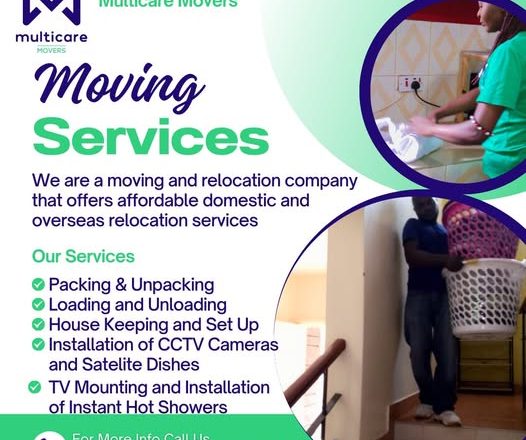
Multi Care Movers is a reliable, experienced, and customer-focused moving company providing professional relocation solutions in Nairobi and across Kenya. The company assists businesses, organizations, families, and individuals with professional packing, commercial moving, residential moving, and local relocation services.
With a structured relocation plan and experienced movers, your business can transition to its new premises more efficiently and with less disruption.
Why Proper Commercial Relocation Planning Matters
A commercial move can affect almost every department of a business. Employees may need to pack their workstations, IT teams must prepare equipment, management must coordinate schedules, and the moving team needs clear instructions.
Poor planning can result in:
- Lost productivity
- Damaged office equipment
- Misplaced documents
- Delayed reopening
- Employee confusion
- Unexpected moving costs
- Customer service interruptions
A well-planned relocation helps your team understand what needs to happen, when it needs to happen, and who is responsible for each task.
Step 1: Establish Your Office Relocation Goals
Before making arrangements with movers, determine why your company is relocating.
Your objectives could include:
- Moving to a larger office
- Reducing operating costs
- Improving accessibility
- Expanding into a new market
- Opening a new branch
- Consolidating departments
- Upgrading office facilities
Understanding your objectives will help you make better decisions about the size, layout, location, and features of the new premises.
Step 2: Create a Commercial Moving Timeline
One of the most important answers to the question of how to plan a commercial office relocation is to start early.
Create a timeline covering the weeks leading up to moving day and the period immediately after the move.
Your timeline can include:
- Choosing the new premises
- Confirming the lease
- Booking professional movers
- Creating an inventory
- Decluttering
- Packing
- IT preparation
- Employee communication
- Utility installation
- Moving day
- Unpacking
- Final setup
Starting early gives your business time to deal with unexpected issues.
Step 3: Appoint an Office Relocation Coordinator
Assign a person or team to oversee the move.
The relocation coordinator can act as the main contact between:
- Business management
- Employees
- Moving company
- IT department
- Building management
- Internet providers
- Security personnel
- Suppliers
For larger businesses, appointing representatives from different departments can make the process even more organized.
Step 4: Create a Detailed Inventory
Before packing begins, make a comprehensive list of everything that needs to be moved.
Your inventory may include:
- Desks
- Chairs
- Cabinets
- Shelves
- Computers
- Monitors
- Printers
- Office appliances
- Documents
- Meeting-room furniture
- Networking equipment
- Office supplies
An inventory helps determine the scale of your move and can provide your moving company with useful information when preparing a quotation.
It also gives you a way to check that important items arrive at the new office.
Step 5: Declutter Before Moving
Don’t move items simply because they are already in the office.
Review furniture, equipment, files, stationery, and other belongings and determine what is still needed.
Unnecessary items can potentially be:
- Sold
- Donated
- Recycled
- Disposed of appropriately
Decluttering before the move can reduce the volume of items that need to be packed, transported, and unpacked.
Step 6: Set a Realistic Relocation Budget
Your commercial relocation budget should include more than transportation.
Potential expenses can include:
- Professional moving services
- Packing materials
- Packing labor
- Transportation
- Furniture dismantling
- Furniture reassembly
- IT installation
- Cleaning
- New office preparation
- Temporary storage, if required
Ask your moving company for a quotation based on the actual requirements of your move.
When comparing quotations, make sure you understand what services are included rather than comparing the headline price alone.
Step 7: Hire Experienced Commercial Movers
A professional moving company can significantly simplify the physical aspects of your office relocation.
Commercial movers can help with:
- Packing
- Loading
- Furniture handling
- Equipment transportation
- Unloading
- Furniture placement
- Reassembly where applicable
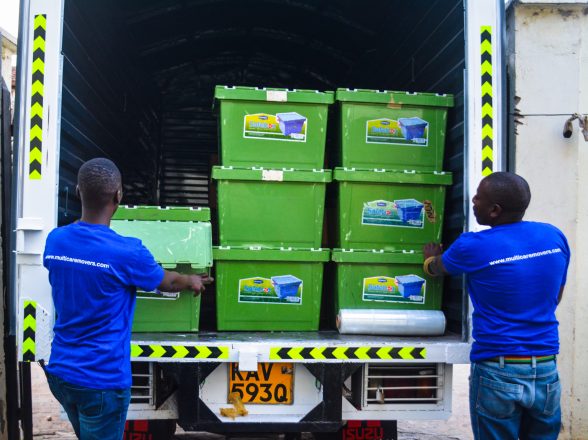
Multi Care Movers provides commercial moving services designed to help businesses relocate their offices efficiently.
An experienced moving team can also help reduce the physical burden on employees and allow them to focus on their normal responsibilities.
Step 8: Plan Your Office Packing
Packing should be organized according to priority.
Start with items that are rarely used, such as archived documents, decorations, spare equipment, and excess office supplies.
As the moving date approaches, pack less frequently used workstations and equipment.
Essential items should remain accessible for as long as possible.
Use Appropriate Packing Materials
Professional packing may involve:
- Moving cartons
- Bubble wrap
- Packing paper
- Stretch film
- Furniture blankets
- Protective covers
- Strong packing tape
- Labels
Fragile items such as glass furniture, monitors, electronics, and specialized equipment require additional care.
Step 9: Label Everything Clearly
Clear labeling can make a major difference during unpacking.
Each box should ideally include:
- Department
- Contents
- Destination room
- Special handling instructions
For example, boxes containing HR documents can be labeled specifically for the human resources department.
Department-based labeling makes it easier for movers to place boxes in the correct areas of the new office.
Step 10: Plan Your IT Relocation
Technology is one of the most important parts of a modern commercial office.
Before moving computers and other equipment:
- Back up important data.
- Label devices.
- Organize cables.
- Disconnect equipment carefully.
- Protect monitors and other sensitive components.
- Coordinate server transportation.
- Confirm internet availability at the new office.
- Test the network before employees return.
If your business relies on specialized systems or servers, involve your IT professionals early in the process.
A beautiful new office is not operational if employees cannot access the systems they need to work.
Step 11: Prepare the New Office
The new premises should be ready before moving day.
Confirm that the following are available:
- Electricity
- Water
- Internet
- Lighting
- Security
- Access cards or keys
- Parking
- Functional elevators
- Network infrastructure
- Workstations
A prepared office allows movers to unload and position items without unnecessary delays.
Step 12: Create a New Office Floor Plan
Decide where furniture and equipment should be placed before the movers arrive.
Your floor plan can identify:
- Reception
- Workstations
- Management offices
- Meeting rooms
- Storage areas
- Kitchen
- IT equipment
- Department locations
Providing clear instructions can make unloading and setup much more efficient.
Step 13: Plan Around Business Operations
One of the biggest priorities during a commercial relocation is minimizing downtime.
Where practical, consider moving during:
- Weekends
- Public holidays
- Evenings
- Low-demand business periods
Some companies may benefit from moving in phases. For example, one department can relocate first while another continues operating from the existing office.
The right approach depends on your business structure and operational requirements.
Step 14: Communicate With Employees
Employees should receive clear information about the relocation.
Tell them:
- When the move will take place
- When they should pack
- What they are responsible for
- Where the new office is located
- How parking will work
- Whether there will be temporary work arrangements
- When normal operations will resume
Clear communication reduces confusion and encourages everyone to participate in the relocation process.
Step 15: Inform Customers and Suppliers
If your business is changing its physical address, inform customers, suppliers, partners, and service providers.
Update your new address on:
- Website
- Google Business Profile
- Social media
- Email signatures
- Invoices
- Business cards
- Business directories
If possible, maintain telephone, email, and online services throughout the relocation.
Multi Care Movers’ Main Moving Services
Multi Care Movers offers professional moving solutions for businesses and individuals.
Professional Packing Services
The team can professionally pack office furniture, equipment, documents, electronics, fragile belongings, and household items using appropriate protective materials.
Commercial Moving Services
Commercial moving can include:
- Office furniture
- Computers
- Printers
- Filing cabinets
- Documents
- Electronics
- Equipment
- Loading
- Transportation
- Unloading
- Furniture handling
The service is designed to help businesses manage the physical relocation efficiently.
Residential Moving Services
Multi Care Movers also assists families and individuals relocating homes.
Residential services can include packing, furniture handling, loading, transportation, unloading, and reassembly.
Local Relocation Services
For customers moving within Nairobi or other local areas, Multi Care Movers provides practical relocation services tailored to the requirements of each move.
Common Commercial Relocation Mistakes to Avoid
When learning how to plan a commercial office relocation, it’s equally important to understand what not to do.
Starting Too Late
Last-minute planning can lead to scheduling problems and unnecessary stress.
Failing to Create an Inventory
Without an inventory, it becomes harder to track office assets.
Poor Packing
Insufficient protection can increase the risk of damage.
Ignoring IT Preparation
Technology should be planned well before moving day.
Forgetting Building Restrictions
Check elevator access, parking, security requirements, loading zones, and moving hours.
Choosing Movers Based Only on Price
A low quotation may not include every service you require. Compare experience, professionalism, reliability, and the services included.
A Simple Commercial Office Relocation Checklist
Before moving day, make sure you have:
- Selected the moving date
- Set a relocation budget
- Appointed a coordinator
- Created an inventory
- Decluttered unnecessary items
- Booked professional movers
- Arranged packing materials
- Packed and labeled items
- Backed up important data
- Planned IT relocation
- Prepared the new office
- Created a floor plan
- Confirmed building access
- Informed employees
- Notified customers and suppliers
- Confirmed the moving schedule
Conclusion
Knowing how to plan a commercial office relocation can help your business avoid unnecessary delays, control costs, protect valuable equipment, and minimize disruption.
The process starts with early planning and continues through inventory management, decluttering, professional packing, IT preparation, transportation, and final setup. Working with experienced commercial movers can also reduce the physical and logistical burden on your employees.
Multi Care Movers provides professional packing, commercial moving, residential moving, and local relocation services in Nairobi and across Kenya. With an experienced team and a customer-focused approach, the company can help businesses and individuals manage their relocations professionally.
Whether you are moving a small office, expanding into a larger commercial premises, or relocating your business to another part of Nairobi or Kenya, professional support can make the transition smoother and more efficient.
Contact Multi Care Movers Today
Planning a commercial office relocation? Contact Multi Care Movers on 0720030488 today.
Discuss your moving requirements and request a quotation for professional packing, commercial moving, residential moving, or local relocation services.
Call 0720030488 today and let Multi Care Movers help you plan and complete your office relocation with care, efficiency, and professionalism.